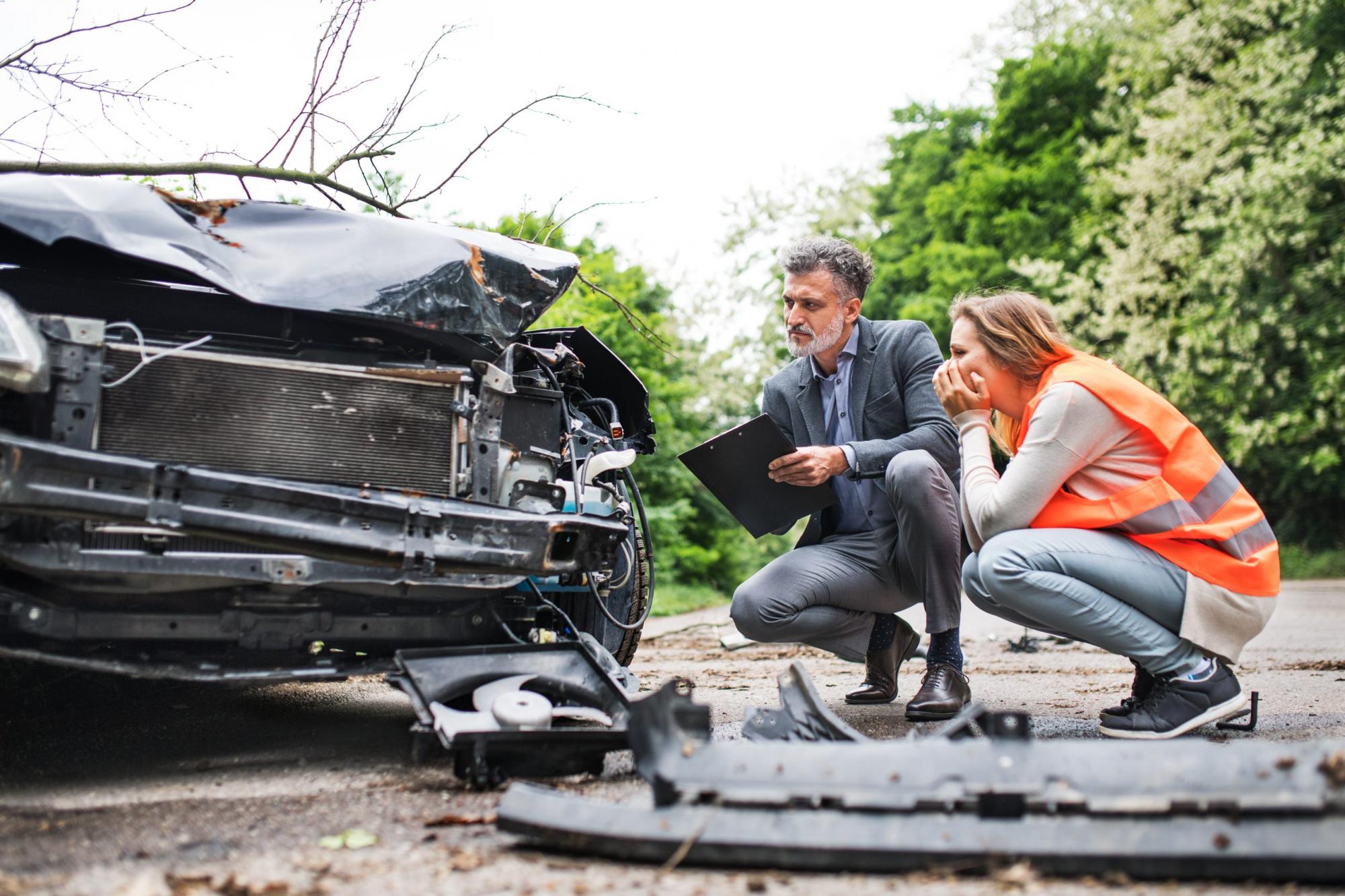
Initial Steps to Take in a Car Accident
In the unfortunate event that you are involved in a car accident, there are certain steps you should take to ensure that you are protecting your safety and your legal rights. Even a “minor” fender-bender can lead to hidden injuries and unexpected insurance complications.
Step 1:
Stop and Assess the Situation – Stay calm, and assess the situation. Investigate the extent of the damage to your vehicle, yourself, and your passengers. Never drive away from the scene, even if the accident appears minor. Under California Vehicle Code § 20002, leaving the scene of an accident without exchanging information can result in criminal hit-and-run charges, punishable by fines and possible jail time.
If there are any serious injuries, call 911 immediately. Do not attempt to move anyone who is severely injured unless there is an immediate danger (such as a fire). Wait for emergency services and law enforcement to arrive.
If law enforcement responds, they will document the incident and provide a police report number Make sure to ask how you can later obtain a copy of the Traffic Collision Report, as this can be important evidence in any insurance or legal claim.
Step 2:
Exchange Information with the Other Driver(s) – California law requires drivers involved in an accident to exchange information. Be polite and cooperative, but avoid discussing fault. The information you should collect includes:
· Driver’s full name and driver’s license number
· Vehicle year, make, model, color, and license plate number
· Insurance company name and policy number
· Contact information for the driver and vehicle owner (if different)
If you hit an unattended vehicle or property, leave your name, phone number, and a brief description of what happened in a visible place, and notify local law enforcement.
Step 3:
Document the Scene Thoroughly – Take clear photos and videos using your smartphone or camera. Capture:
· The accident scene from multiple angles
· Damage to all vehicles involved
· The position of the vehicles before being moved (if safe to do so)
· Road conditions, traffic signs, and weather visibility
· Any skid marks or debris on the road
If available, dashcam footage can provide crucial evidence and often helps resolve disputes over fault quickly.
You should also photograph the other driver’s license and insurance cards for your records
Step 4:
Notify Your Insurance Company and File a Claim – Report the accident to your insurance company as soon as possible, even if you believe you weren’t at fault. Most policies require prompt reporting to preserve coverage. When speaking to the insurer
· Keep your statement factual and concise.
· Avoid making admissions of fault.
· Do not speculate about injuries or the cause of the accident.
You will typically receive a claim number and be assigned a claims adjuster who will handle your case. Many insurance companies now allow you to report claims and upload photos directly through mobile apps for the insurance company, which can expedite processing.
If the other driver’s insurance is involved, you may need to provide basic details but should avoid providing a recorded statement until you have spoken to a lawyer.
You are most likely required to report the accident to your own insurance company even if it was minor and even if it was not your fault. While each insurance company is different, in most cases, your premiums won’t go up if the accident was not your fault.
Step 5:
Seek Medical Attention – Even If You Feel Fine – The shock of an accident can cause an adrenaline rush that masks pain. Some injuries – especially whiplash, concussions, or soft tissue damage – may not appear for days. Always seek medical evaluation as soon as possible. This helps both your health and your potential claim, since insurance companies often question any delay in treatment.
Step 6:
Consult a Personal Injury Attorney – Once immediate concerns are addressed, it may be wise to speak with an experienced California personal injury attorney. An attorney can help you:
· Communicate effectively with insurance adjusters
· Secure compensation for vehicle repairs, rental cars, car seat replacements, and lost wages
· Protect against lowball settlement offers
· Ensure you receive fair recovery for pain and suffering, medical bills, and other damages
Final Thoughts:
Knowing what to do after a car accident can make all the difference in protecting your rights. Follow these steps calmly and methodically. From collecting evidence to reporting the accident, your diligence helps ensure a smoother recovery—both physically and financially.
If you’ve been in an automobile accident, contact our office for a free consultation. We’ll help you navigate the claims process, deal with the insurance companies, and make sure you receive the compensation you deserve.
Injured in a Car Accident?
Contact CHH Law, P.C. today for a free consultation with an experienced California personal injury attorney. We’ll handle the insurance companies, protect your rights, and help you recover the maximum compensation you deserve.