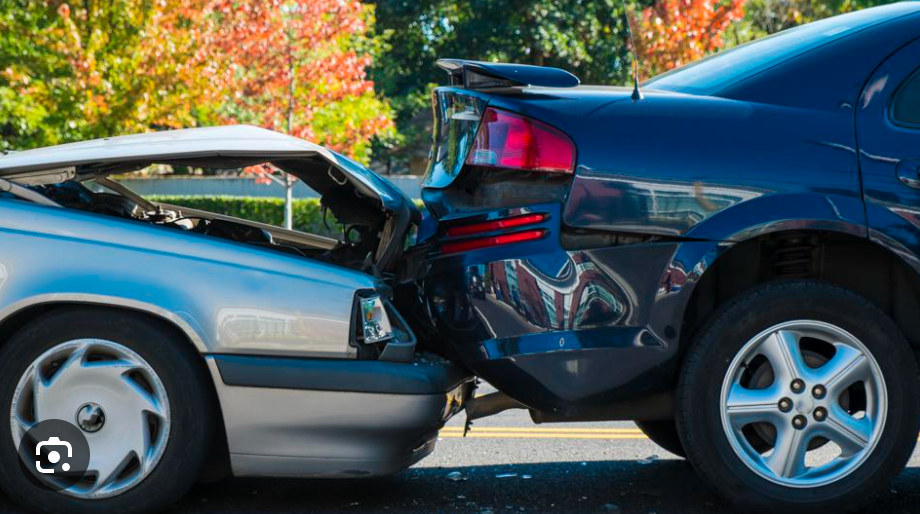
Diminished Value Claims in California After a Car Accident
Even after your vehicle has been fully repaired following a car accident, it may never be worth the same amount as it was before the collision. Many buyers are reluctant to pay full market value for a vehicle with an accident history, even if the repairs appear flawless. This loss in resale value is commonly known as diminished value.
If another driver caused the accident, California law may allow you to pursue compensation for that loss. At CHH LAW, P.C., we help drivers understand and pursue all available damages after an accident—including diminished value claims.
What Is Diminished Value?
Diminished value refers to the difference between:
· The fair market value of your vehicle immediately before the accident; and
· The fair market value of your vehicle after repairs are completed.
In other words, your car may be repaired, but it may still be worth less simply because it now has an accident record.
Common Examples of Diminished Value
Diminished value claims are especially common when:
· The vehicle is newer or low mileage
· The vehicle is luxury or high-end
· Structural damage occurred
· Airbags deployed
· Major body repairs were required
· Vehicle history reports now show an accident
Who Pays the Diminished Value?
If another driver was at fault, a claim is generally made against the at-fault driver’s insurance carrier as part of your property damage claim. The goal is to place you in the financial position you would have been in had the collision never occurred.
What Must Be Proven?
To successfully pursue a diminished value claim, it helps to establish:
1. Liability
You must show another driver caused the collision.
Examples may include:
· Police report
· Witness statements
· Photos/video
· Admissions of fault
· Insurance determination
2. Pre-Accident Vehicle Value
Evidence of what the vehicle was worth before the crash.
Examples:
· Kelley Blue Book / market guides
· Comparable sales
· Dealer valuations
· Vehicle condition records
3. Post-Repair Reduced Value
Evidence that the vehicle is worth less after repairs.
Examples:
· Appraisal from diminished value expert
· Dealer trade-in offers
· Market comparisons
· Vehicle history report showing accident damage
What Documents Should You Gather?
The stronger your documentation, the stronger your claim. Helpful records include:
· Repair estimates and final invoices
· Photos of the damage
· Insurance correspondence
· Police report
· Vehicle title / registration
· Maintenance records
· Appraisal report
· Comparable sales listings
· Carfax or AutoCheck report
How Long Do You Have to Make a Claim?
The time limit can depend on whether you are making an insurance claim or filing a lawsuit.
Insurance Claim
You should present the claim as soon as reasonably possible after repairs are completed and you can evaluate the loss.
Lawsuit for Property Damage
In many California cases, property damage claims are subject to a statute of limitations. Deadlines can depend on the facts and parties involved, so do not assume you have unlimited time.
Because missing a deadline can destroy your claim, it is wise to consult an attorney promptly.
How Is Diminished Value Calculated?
There is no single mandatory formula in every case. Common approaches include:
· Professional appraisal methodology
· Comparable market sales
· Dealer resale impact analysis
· Severity of damage and repair type
Insurance companies may undervalue or deny these claims without proper supporting evidence.
Why Legal Help Matters
Insurance carriers often focus on repair costs and may resist paying additional compensation for diminished value. An attorney can help gather evidence, present the claim properly, negotiate aggressively, and evaluate whether litigation is appropriate.
Contact CHH LAW, P.C.
If your vehicle lost value after a crash caused by another driver, you may be entitled to more than just repair costs. CHH LAW, P.C. helps clients throughout California pursue fair compensation for property damage and injury claims. Contact us today for a consultation.