Common Causes of Car Accidents and How Liability Is Determined in California
Introduction
Understanding why a car accident occurred is essential to determining who is legally responsible. In California, accident claims are based on negligence — whether a driver failed to use reasonable care under the circumstances.
This article explains the most common causes of car accidents and how liability is evaluated under California law.
1. Distracted Driving
Distracted driving is one of the leading causes of accidents. Distractions include:
· Texting or phone use
· Navigation apps
· Eating or drinking
· Adjusting in-vehicle systems
Even a few seconds of inattention can result in serious collisions.
2. Speeding
Speeding reduces reaction time and increases the severity of injuries. Excessive speed can turn otherwise survivable accidents into catastrophic ones.
Drivers may be considered negligent even if they were driving under the posted speed limit but too fast for conditions.
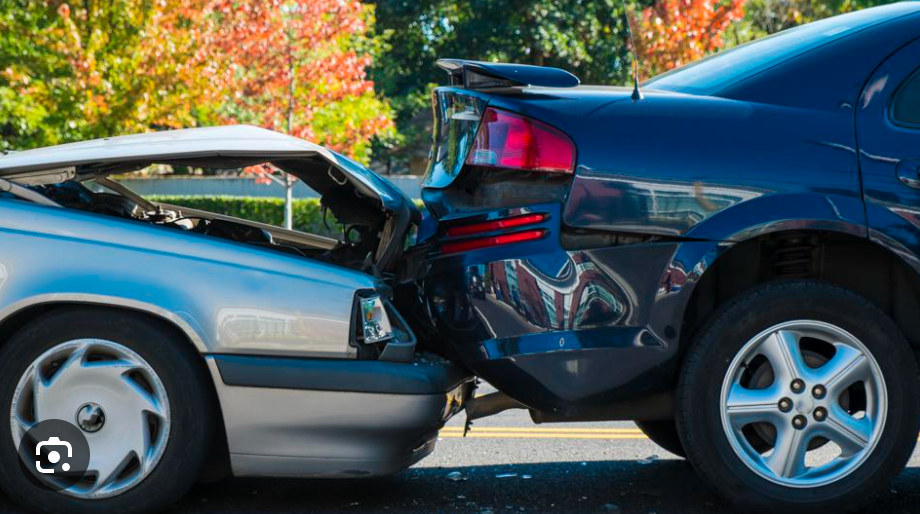
3. Rear-End Collisions
Rear-end accidents often occur due to:
· Tailgating
· Sudden stops
· Driver inattention
In many cases, the rear driver is presumed at fault, but exceptions can apply.
4. Running Red Lights and Stop Signs
Failure to obey traffic signals frequently results in serious T-bone collisions. These crashes often lead to significant injuries due to limited side-impact protection.
5. Driving Under the Influence
Alcohol or drug impairment dramatically increases accident risk. DUI-related accidents often involve severe injuries and may expose the at-fault driver to additional legal consequences.
6. Unsafe Lane Changes
Failing to signal, blind-spot negligence, and aggressive merging commonly cause sideswipe and multi-vehicle collisions.
7. How Fault Is Determined in California
Liability is determined using evidence such as:
· Police reports
· Witness statements
· Photographs and video
· Vehicle damage analysis
· Expert reconstruction when necessary
California’s comparative fault system allows responsibility to be divided among multiple parties.
8. Why Liability Matters
Fault directly affects:
· Insurance coverage
· Settlement negotiations
· Court outcomes
Even a small shift in fault percentage can significantly change the value of a claim.
9. Insurance Company Tactics
Insurance companies may:
· Shift blame
· Minimize injuries
· Argue pre-existing conditions
· Push for quick settlements
Understanding these tactics helps accident victims avoid unfair outcomes.
10. When Legal Help Becomes Important
Legal representation is especially important when:
· Fault is disputed
· Multiple vehicles are involved
· Injuries are serious
· Commercial vehicles are involved
An attorney can investigate liability and advocate for fair compensation.
Closing
Determining the cause of an accident is not always straightforward. Proper investigation and legal analysis can make the difference between a denied claim and a successful recovery.
Don’t file your auto insurance claim alone. Contact CHH Law, P.C. today and speak with an attorney that have the experience to avoid the pitfalls for insurance company denials.